Our Contributors
Inaugural Issue : Balance and Form

We consider it a distinct privilege to have been joined by contributors whose work has fundamentally shaped the inaugural issue of
अन्वय ANVAYA, Balance and Form. Each contribution reflects a profound seriousness of attention and a patient willingness to engage with form, devoid of haste or excess.
What emerges across these pages is not merely a collection of isolated pieces, but a shared commitment to balance as a disciplined, lived practice—one that embraces tension without forcing premature resolution, allowing thought, experience, and language to settle into their authentic measure.
The presence of such caliber of writing at the very inception of
अन्वय ANVAYA has irrevocably defined the magazine’s tone, depth, and integrity. We remain deeply conscious of the profound fortune of having received this work, and the care, trust, and intellectual generosity that have made this initial articulation possible.
देहविद्या Deha Vidya section
Dr. Yograj Arya is a BNYS-qualified physician trained in Yoga, Naturopathy, and Ayurveda, and the founder of Yogayush. His clinical work focuses on preventive and integrative healthcare, bringing together classical therapeutic disciplines with sustained attention to bodily balance, regulation, and long-term wellbeing.
न्याय Nyāya section
Priya Singh is an advocate with over two decades of experience in law. Her practice spans corporate and commercial law, with particular expertise in legal strategy, drafting and vetting of complex transactional documents, negotiations, and regulatory compliance. She has advised clients across the business lifecycle, including incorporations, mergers and acquisitions, and corporate restructuring, and has extensive experience in litigation covering insolvency, commercial, corporate, constitutional, arbitration, and civil matters.
Tanushvi Singh is a 2023 law graduate specialising in arbitration, insolvency, and commercial litigation. She has represented clients before various courts and tribunals. Her academic and research interests include arbitration law, corporate and commercial laws, and dispute resolution.
राज्य Rājya section
Suvangana Agarwal is an advocate by profession, with experience in corporate law, labour and employment, white-collar crime, insolvency and bankruptcy, criminal law, and environmental matters. Her work centres on arbitration and commercial disputes, particularly in the context of infrastructure, construction, and engineering contracts. Since 2019, she has been engaged in both ad hoc and institutional arbitrations, contributing to pleadings and proceedings under the Arbitration and Conciliation Act, and working alongside senior counsel and arbitral tribunals on complex disputes involving public and private entities.
दर्शन Darshan section
Dr Santosh Kumar Rai
Professor, Department of History, University of Delhi.
His work engages with modern Indian history, the social history of Uttar Pradesh, artisanal practices, skill and caste, Gandhian philosophy, and Indian nationalism. He has published extensively in leading journals, including Modern Asian Studies, International Review of Social History, Indian Economic and Social History Review, Economic and Political Weekly, Indian Historical Review, and Studies in History. His recent monograph, Weaving Hierarchies: Handloom Weavers in Early Twentieth Century United Provinces, has been published by Primus Books. He is the recipient of the Professor Partha Sarathi Gupta Memorial Prize (2007) and the Dr. I. G. Khan Memorial Prize (2012), awarded by the Indian History Congress.
रस Rasa section
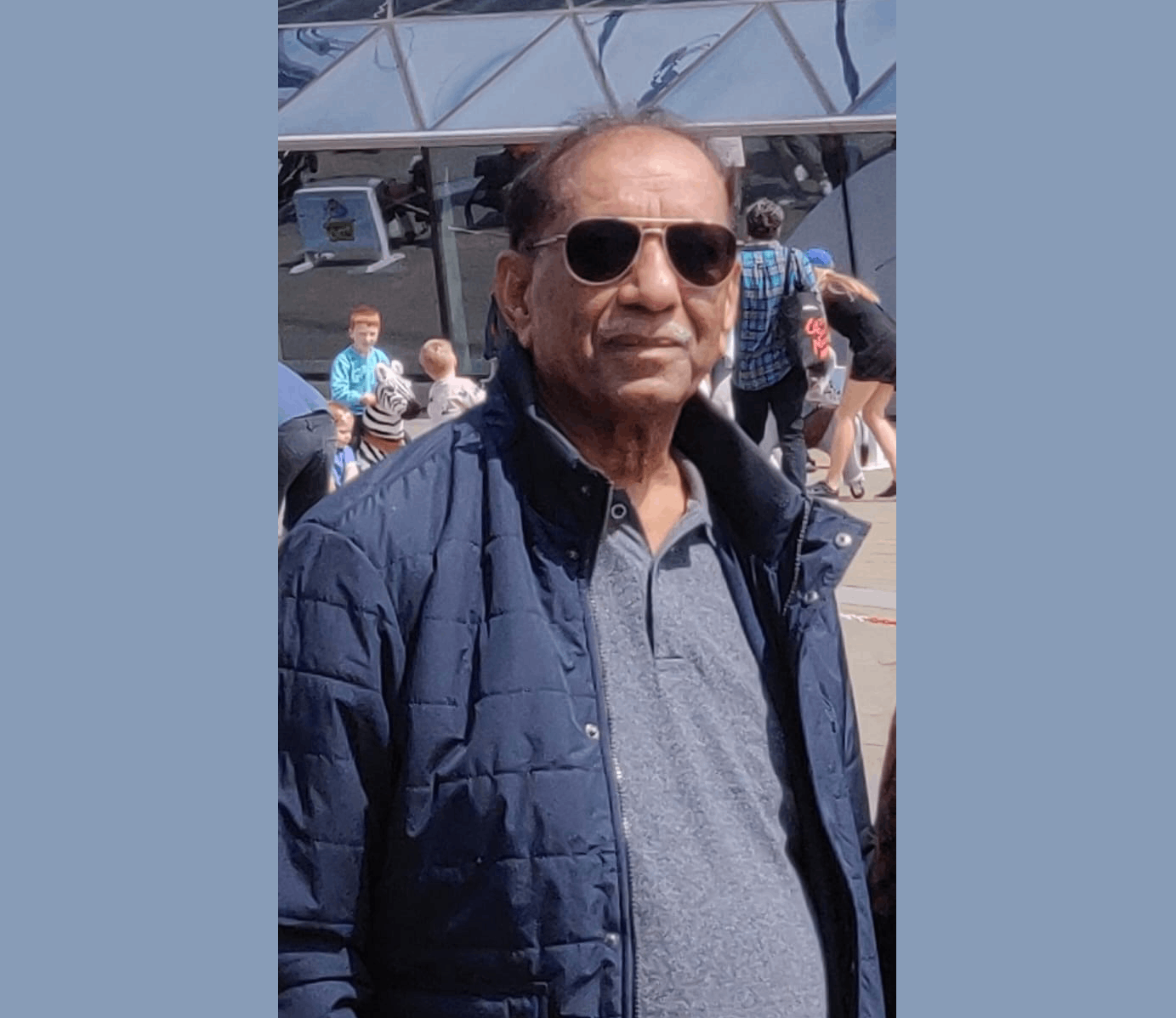
Manzar, born in Baghpat, Uttar Pradesh, writes from a landscape shaped by quiet unease rather than singular events. Poetry emerged for him not as a literary pursuit, but as a necessity — a way to hold what could not be spoken, and to give form to emotions that resisted order.
Chosen as a takhallus, Manzar is not a mask but a mirror. His verses draw from lived experience, translating inner turbulence into restrained, resonant language. This work does not seek resolution or consolation; it records an inward journey sustained through words. If these poems find recognition beyond the self, the act of writing has fulfilled its purpose.
A. K. Jain (Manzar)